Body-safe strap-on materials: silicone, porous toys and safety
For anything used internally, body-safe non-porous silicone is the standard worth holding out for, because it can be cleaned properly and treats skin gently.
Good for
- Body-safe silicone is non-porous, easy to sanitise and gentle on skin
- Non-porous materials do not trap fluids or bacteria
- A clear material label is a reliable sign of a trustworthy toy
- Well-cared-for silicone lasts for years
Watch out for
- Porous materials like jelly and soft PVC are hard to clean properly
- Unlabelled toys can contain irritating additives
- Silicone lube can degrade silicone toys, so pair them carefully
Body-safe strap-on materials are non-porous ones like medical-grade silicone, which can be sanitised and will not trap bacteria. Avoid porous materials such as jelly, rubber and unlabelled PVC for internal use, and always check for a clear material label before buying.
Body-safe strap-on materials are non-porous ones, above all medical-grade silicone. Non-porous means the surface does not have tiny holes that trap fluids and bacteria, so the toy can be cleaned properly and used safely inside the body. Porous materials such as jelly, rubber and unlabelled PVC are best avoided for internal use, because they cannot be fully sanitised. Before anything else, check a toy for a clear material label. This is a guide to materials, not a pitch for any product.
Non-porous versus porous
This single distinction drives everything. Non-porous materials, like silicone, glass and stainless steel, have a sealed surface. Nothing soaks in, so they can be washed thoroughly and, in some cases, sanitised completely. Porous materials, like jelly, soft PVC, rubber and TPE, have a microscopically open surface that holds onto moisture and bacteria no matter how carefully you wash. For a toy used internally, and especially for anal play, non-porous is the standard worth holding out for. This is why the same shape can be perfectly safe in silicone and a poor idea in jelly. The design might be identical, but the surface is what decides whether it can be kept clean. General safety practice sits in pegging safety.
Why silicone is the standard
For strap-on and pegging toys, body-safe silicone is the material to look for. It is non-porous, so it does not harbour bacteria, and it is easy to clean, gentle on skin, and durable enough to last for years. It also comes in a range of firmnesses, so you can find something soft and forgiving or firmer and more controllable. Glass and stainless steel are also body-safe and non-porous, though they are rigid and usually not what people reach for in a harness. Silicone also holds warmth from the body well and does not carry the chemical smell that some cheaper materials have, which makes it more pleasant to use. When a listing says medical-grade or 100 percent silicone and backs it with a clear label, that is a good sign.
Materials to avoid
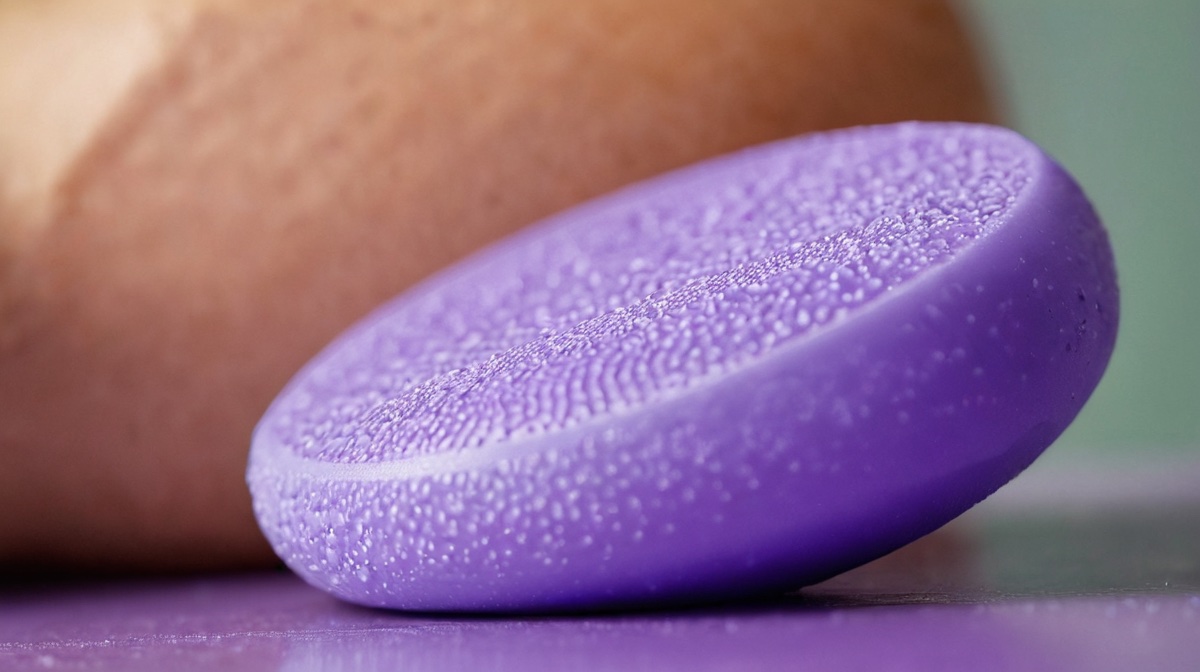
Treat jelly, rubber, TPR and soft PVC with caution for anything internal. They are cheaper and often softer, but they are porous, harder to clean, and some contain softening chemicals that can irritate skin or carry an odd chemical smell. The biggest warning sign of all is a toy sold with no material stated at all. If a seller will not say plainly what a toy is made from, treat that silence as a no. If you already own a porous toy and want to keep using it, covering it with a fresh condom each time is a reasonable way to reduce the risk. For choosing a first toy safely, the strap-on sizing guide pairs well with this one.
Lube compatibility
Material affects which lube is safe. Water-based lube works with every toy material, which is why it is the easy default. Silicone lube, however, can degrade a silicone toy over time, leaving the surface tacky or damaged, so the two should not be paired. If you own silicone toys, keeping a good water-based lube on hand saves a lot of worry. The best lube for pegging guide covers this pairing in more detail.
Cleaning, hygiene and storage
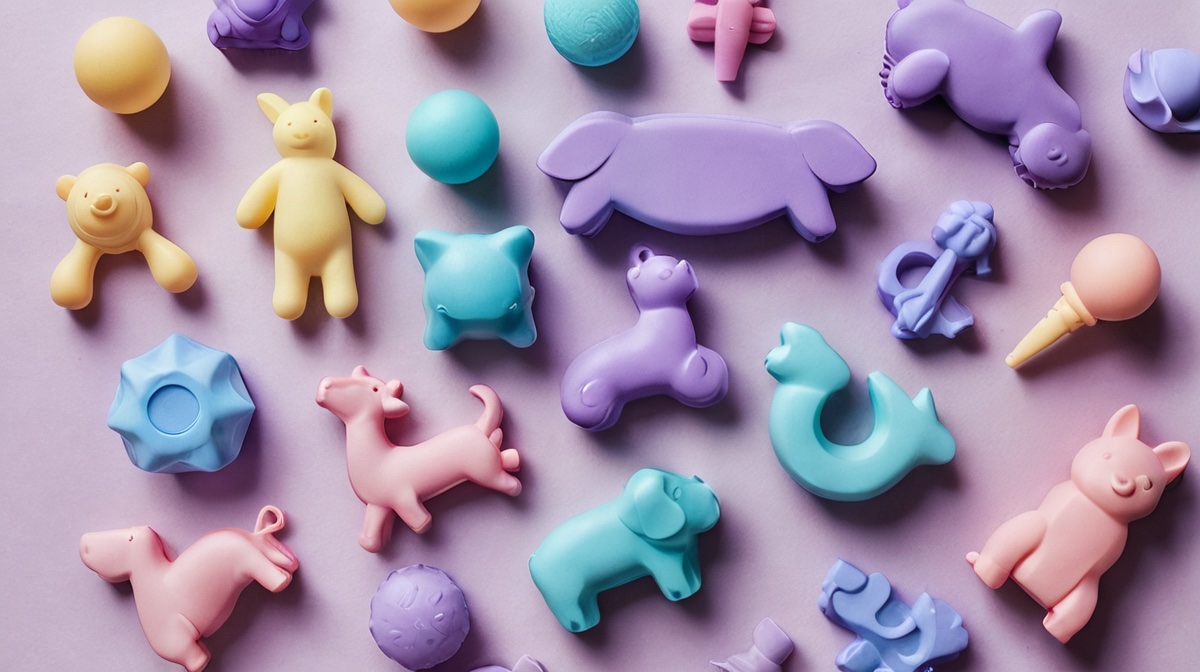
Non-porous materials pay off at cleaning time. Wash a silicone toy with warm water and mild soap before and after every use, and dry it fully before storing. Because non-porous surfaces do not trap bacteria, they clean up reliably, which matters more for anal play than almost anywhere else. If you share a toy or switch between partners, clean it thoroughly or use a fresh condom in between. Store toys somewhere clean and dry, and keep silicone toys from pressing against each other or against other materials for long periods, since some can react. A small amount of care keeps a body-safe toy safe for years.
How to choose
Keep it simple. For anything used internally, choose body-safe, non-porous silicone, confirmed by a clear material label. Skip porous materials and unlabelled toys. Pair silicone toys with a water-based lube. Generic buying links are fine for comparing materials, as long as you read the label rather than the marketing. New to all of this? Start with what is pegging, or browse the rest of the gear guides to see how material fits with size, shape and fit.
Questions people ask
What is the safest material for a strap-on toy?
Body-safe, non-porous silicone. It does not trap fluids or bacteria, cleans up reliably, is gentle on skin, and lasts for years. Glass and stainless steel are also non-porous and body-safe, though they are rigid.
What does non-porous mean and why does it matter?
Non-porous means the surface has no tiny holes to trap moisture and bacteria, so the toy can be washed thoroughly and used safely inside the body. Porous materials hold onto bacteria no matter how carefully you clean them.
Which strap-on materials should I avoid?
Avoid jelly, rubber, TPR and soft PVC for internal use, since they are porous and hard to clean, and some contain irritating additives. The biggest warning sign is a toy sold with no material stated at all.
Still weighing it up?
Fit and comfort are personal, and other people will tell you the parts a spec sheet leaves out. Ask before you buy.
Find people who use it →