Strapless strap-ons: how they work, who they suit
A strapless strap-on trades the stability of a harness for a more intimate feel, which appeals to some wearers but asks real practice to keep in place.
Good for
- No straps or harness to fit, adjust or clean
- The internal bulb can add sensation for the wearer
- Body-safe silicone options are widely available
- Can feel more intimate and less like wearing equipment
Watch out for
- Staying in place takes practice and muscle control
- Less stable and controllable than a harnessed toy
- The internal end suits some bodies far better than others
A strapless strap-on is a two-ended silicone toy the wearer holds internally, with no straps at all. It suits people who want a less equipment-like feel and are willing to practise, though a harnessed toy is steadier and easier to control.
A strapless strap-on is a single silicone toy with two ends: one bulb the wearer holds inside the body using muscle control, and an external shaft for the partner. There are no straps and no harness. It suits people who want a less equipment-like feel and are willing to practise, since keeping it in place takes some getting used to. A harnessed toy is steadier and easier to control, so many couples own both. This is a guide to the type, not a pitch for any product.
What a strapless strap-on is
The design is simple to picture. One end sits inside the wearer, held by the muscles rather than any strap, while the other end faces outward. That internal bulb is what keeps the toy in place, and it can also add sensation for the wearer, which is part of the appeal. Because nothing straps around the hips, a strapless can feel closer and more connected. The trade-off is that the grip depends entirely on the wearer’s body and control, rather than on adjustable hardware.
Who it suits, and who it may not
A strapless appeals most to wearers who like the idea of a shared toy and do not mind putting in some practice. It rewards patience and pelvic muscle control, both of which improve with use. It suits people who find harnesses fussy or who want a more intimate feel. It also suits some bodies far better than others, since the internal end fits everyone differently. Couples who already enjoy pegging with a harness sometimes add a strapless for variety rather than as a first purchase, which is a sensible way in. If you want reliable stability from the first try, a harnessed setup is the safer bet. Comparing the two, the types of strap-on harnesses guide lays out the harnessed options.
Stability and control, honestly
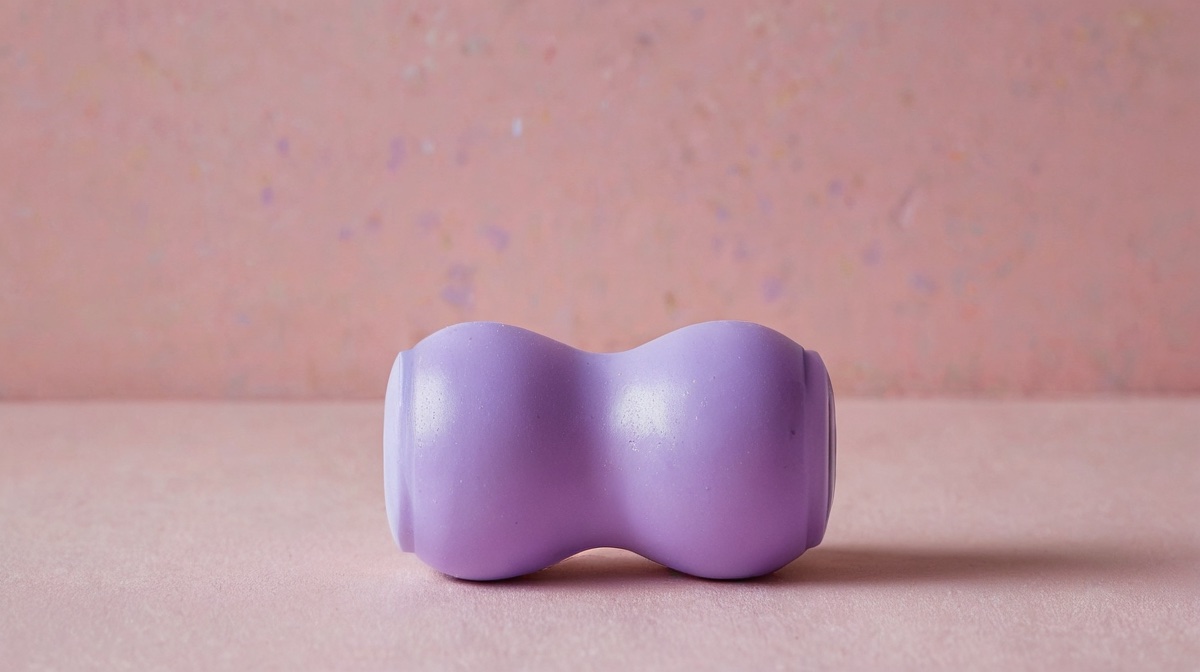
This is where honesty matters. A strapless is less stable than a toy held in a firm harness. Vigorous movement can dislodge it, and holding it in place asks ongoing effort from the wearer. Some people add a harness designed to take a strapless toy, which brings back much of the stability while keeping the internal sensation. Going slowly helps a great deal, as does choosing positions that do not fight the grip. It also helps to keep sessions shorter at first while the wearer builds up the knack, and to treat the odd slip as normal rather than a failure. None of this makes a strapless a poor choice, but it does mean setting expectations before the first go.
Body-safe materials
Material rules are the same as for any internal toy. Look for body-safe silicone, which is non-porous, easy to sanitise and gentle on skin. Because a strapless sits inside the wearer as well as the receiver, non-porous material and thorough cleaning matter twice over. Avoid jelly, soft PVC and any toy without a clear material label. If you share the toy between partners, clean it thoroughly or use a fresh condom in between. The body-safe materials guide covers this in full, and general safety lives in pegging safety.
Sizing and fit for beginners

For a first strapless, keep both ends modest. A smaller internal bulb is easier to hold and more comfortable to wear for longer, while a modest external end keeps things friendly for the receiver. As with any toy, weigh girth over length, and choose a gentle taper and a softer feel. A flared or bulbed internal end is part of the design here, so the usual flared-base rule takes a slightly different form, but the toy should still be shaped so it cannot travel too far. Read the shape details carefully before buying. Wearing it for a few minutes before any partnered use lets the wearer get used to the grip in private, which takes a lot of the pressure out of the first proper try.
How to choose
Decide first whether the strapless feel is worth the practice it asks. If it is, pick body-safe silicone, keep both ends modest, and plan to use plenty of lube and a slow warm-up. Consider a strapless-compatible harness if stability worries you. Generic buying links are fine for comparing shapes and materials, as long as you read the specifications rather than the marketing. New to pegging altogether? Start with what is pegging, then browse the other gear guides to compare your options.
Questions people ask
How does a strapless strap-on stay in place?
One end sits inside the wearer, held by the pelvic muscles rather than any strap, while the other end faces outward. The internal bulb is what keeps it in place, so holding it steady takes practice and muscle control.
Is a strapless strap-on good for beginners?
It can be, but it asks more of the wearer than a harnessed toy. If you want reliable stability from the first try, a harness is easier. Some people use a strapless-compatible harness to get the intimate feel with more control.
What material should a strapless strap-on be?
Body-safe silicone, which is non-porous, easy to sanitise and gentle on skin. Because it sits inside the wearer as well as the receiver, non-porous material and thorough cleaning matter twice over.
Still weighing it up?
Fit and comfort are personal, and other people will tell you the parts a spec sheet leaves out. Ask before you buy.
Find people who use it →